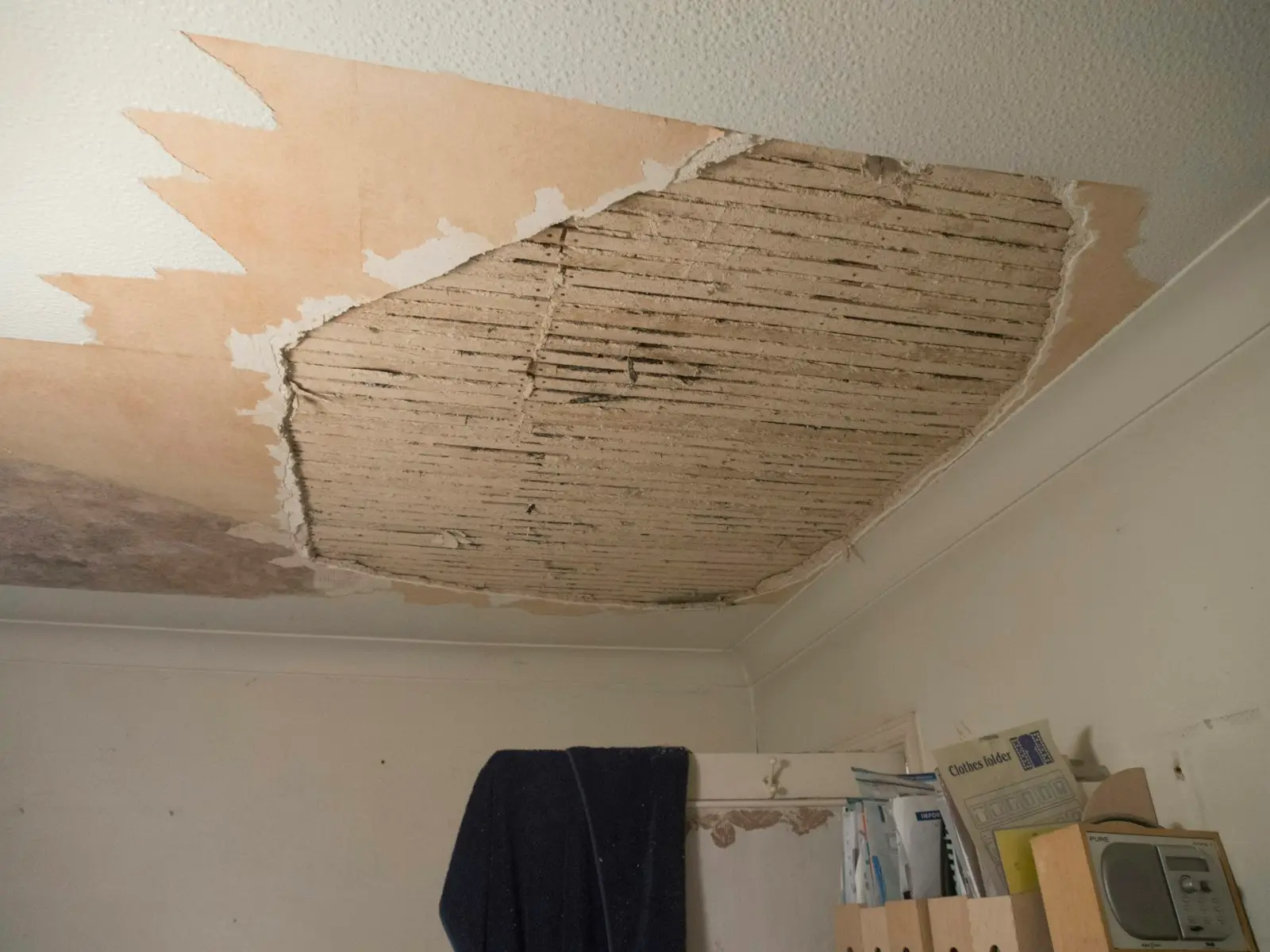
A burst pipe feels like chaos: water spraying, a ceiling dripping, everyone shouting about towels. The good news is that the steps that limit the damage are simple, and most of them take less than a minute each. Work through them in this order.
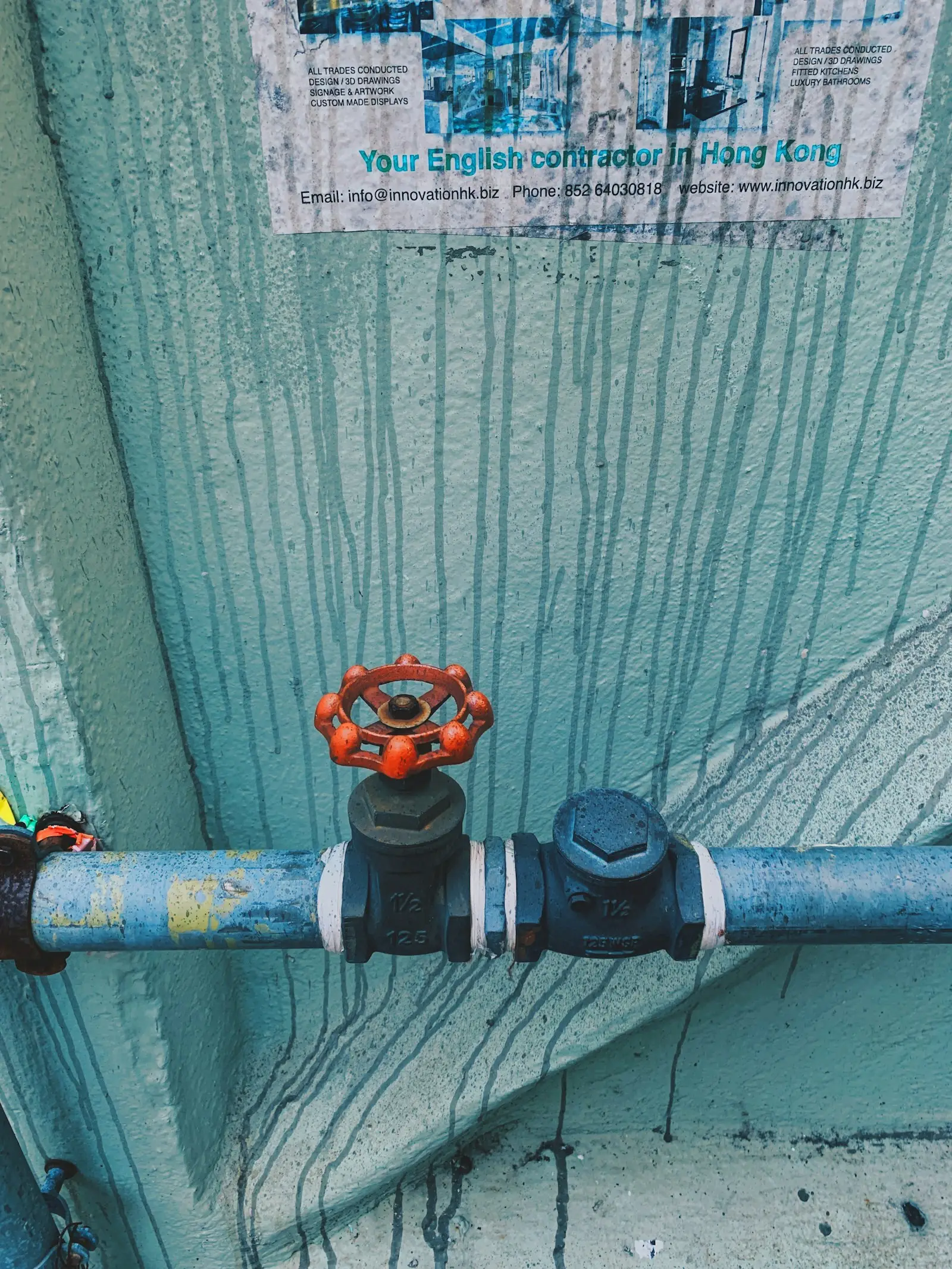
1. Shut off the main water valve
This is the single most important step. Until the water is off, everything else is mopping against a running tap.
In most Beaverton homes, the main shutoff is where the water line enters the house. Check these spots first:
- The garage, often low on the wall facing the street
- The crawlspace, near the access hatch or the front foundation wall
- A utility room or closet, close to the water heater
- The basement, on the wall closest to the street
A round handle turns clockwise until it stops. A lever handle turns a quarter turn so it sits across the pipe. If the valve inside will not move, there is usually a second shutoff at the meter box near the street, though it may need a meter key.
2. Turn off the water heater
If the burst is anywhere near the water heater, or if you had to close the main, turn the heater off. For a gas heater, set the control to pilot or off. For an electric heater, switch off its breaker. A heater that keeps firing while its tank drains can be damaged.
3. Keep water away from electricity
Water and wiring do not mix. If water is near outlets, cords, light fixtures or the electrical panel, stay out of it. Only switch off breakers if you can reach the panel while standing somewhere completely dry. If you cannot, wait for help.
4. Open a faucet to drain the lines
With the main closed, open a cold faucet on the lowest floor of the house, such as a utility sink or a downstairs bathroom. This drains the water still sitting in the pipes and takes pressure off the break, so less water comes out of the split.
5. Find the leak and protect what you can
Look for where the water is coming from, but do not start opening walls or ceilings yourself. Instead:
- Move furniture, rugs and electronics out of the wet area
- Put buckets under drips and towels along the edges of the water
- If a ceiling is bulging with water, keep people out from under it
- Open cabinet doors under sinks so you can see if water is pooling inside
6. Photograph everything
Before you clean up, take photos and a short video of the water, the damaged area and the pipe if you can see it. Your insurance company will almost certainly ask for them, and it takes two minutes. Keep any damaged pipe that a plumber removes, since an adjuster may want to see it.
7. Call an emergency plumber
A burst pipe needs a proper repair, not a patch. Tape and clamps can slow a leak for a few hours, but a pipe that split from freezing or corrosion is usually weak beyond the visible crack. The damaged section needs to be cut out and replaced. Our burst pipe repair service handles exactly this, with phones answered 24 hours a day and same-day visits across Beaverton.
When you call, have this ready:
- Where the water is coming from, if you know
- Whether you managed to close the main shutoff
- Whether water has reached any wiring, outlets or the ceiling
- Your address and the best way into the house
Why pipes burst in the first place
Knowing the cause helps you prevent the next one. Most bursts in this area come from one of four things:
- Freezing. Water expands as it freezes, building pressure inside the pipe until it splits. Lines in garages, crawlspaces and outside walls are most at risk during a cold snap.
- Corrosion. Older galvanized and copper pipe thins from the inside over decades until a weak spot gives way.
- Failed fittings. Joints and connectors loosen or crack after years of pressure changes.
- Physical damage. A nail, a screw or a pipe rubbing against framing for years can wear through the wall of a pipe.
If cold caused your burst, read our guide on how to prevent frozen pipes before the next freeze. If the cause was an old fitting or corroded section, our emergency pipe repair page covers how we deal with those.
What not to do
- Do not keep using water in the house until the pipe is repaired.
- Do not use a hair dryer or heater near standing water.
- Do not pull out a nail or screw that has gone into a pipe. Leave it in place and shut off the water.
- Do not assume the leak has stopped just because the dripping slowed. Water trapped in walls keeps spreading.
After the repair: drying out
Once the pipe is fixed, the next job is drying. Water left in walls, subfloors and insulation can lead to mold within days. Run fans and a dehumidifier, keep the area ventilated and pull up wet rugs. For anything more than a small area, a water damage restoration company can measure moisture levels inside walls and floors and dry them properly.
If you live in an older home in Central Beaverton or Aloha, ask your plumber to take a quick look at the rest of the exposed supply lines while they are there. A pipe that burst from corrosion is rarely the only one getting thin.
The short version
- Close the main water valve.
- Turn off the water heater.
- Keep clear of water near electricity.
- Open a low faucet to drain the lines.
- Move belongings and catch drips.
- Photograph the damage.
- Call a plumber for a proper repair.
If water is coming through your walls right now, stop reading and call us. We will talk you through the shutoff while a plumber heads to your home.