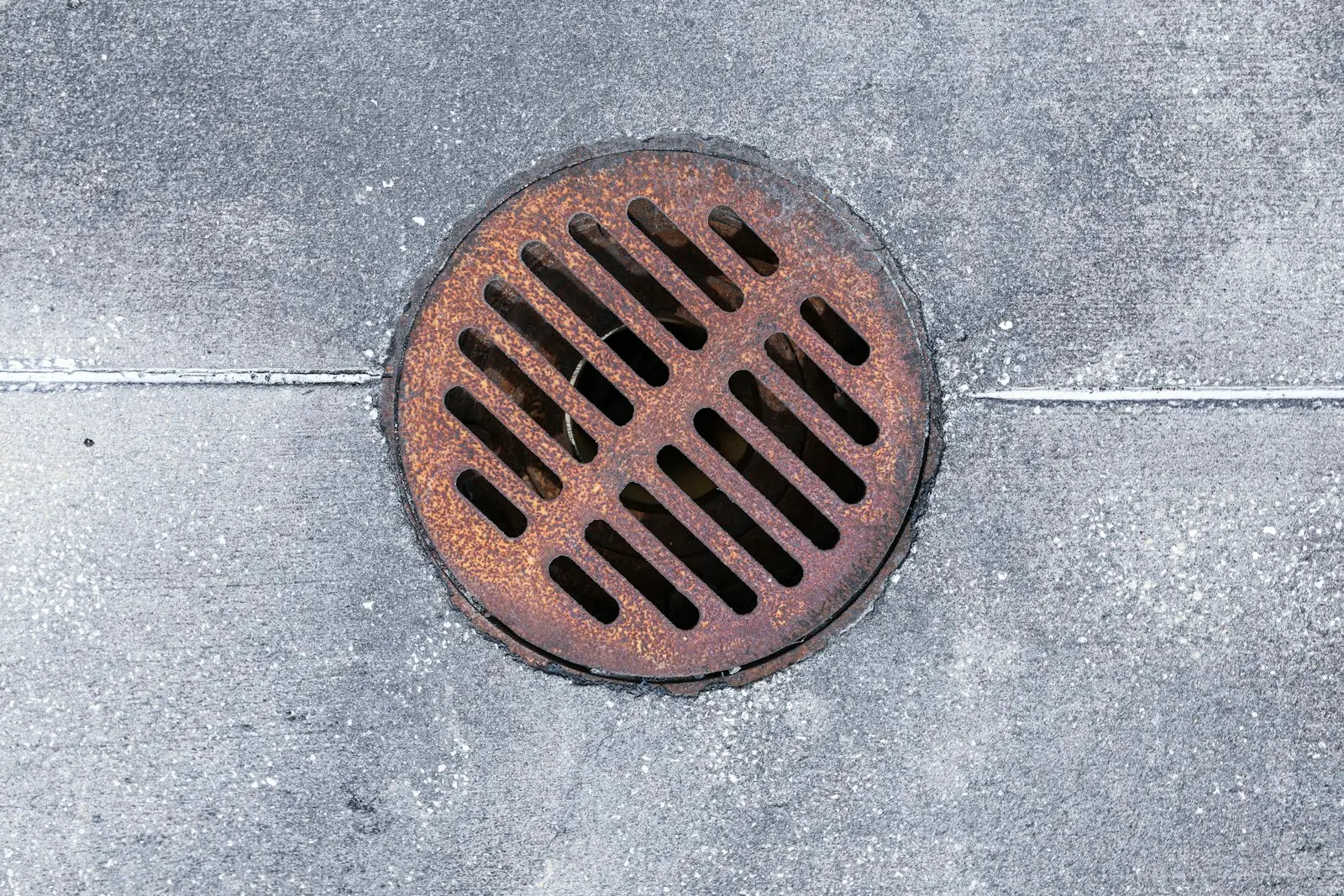
Every drain in your house empties into one pipe, the sewer lateral, which carries wastewater out to the public main under the street. When that pipe narrows or blocks, everything upstream starts to complain. Catch it early and the fix is usually a cleared line. Miss the signs and the first clear message is dirty water rising through a floor drain.
Warning signs of a sewer line problem
These are the signs we hear about most often in the days and weeks before a backup:
- Several drains slow at the same time. One slow sink is a local clog. Slow drains on different floors point to the main line.
- Gurgling toilets. When air is trapped behind a blockage, it bubbles back through the nearest fixture, often a toilet, as other drains empty.
- Water appearing where it should not. Flushing a toilet and seeing water rise in the tub, or running the washer and seeing water at the floor drain, means waste is taking the path of least resistance.
- Sewage smells. A sewer odor near basement drains, in the crawlspace or over the line in the yard can point to a crack or a partial blockage.
- Lush or soggy patches in the yard. A strip of grass that is greener, or ground that stays wet along the route of the sewer line, can mean a leaking pipe underneath.
- Problems that come back. If the same line has needed clearing more than once in a year, the pipe itself usually has a problem.
What causes sewer line backups
Tree roots
Roots grow toward moisture, and older sewer pipes made of clay or cast iron have joints every few feet where roots can slip in. Once inside, fine roots form a net that catches paper and waste. Neighborhoods around Beaverton with big, established trees see this a lot.
Grease, wipes and other debris
Grease cools and sticks to the pipe walls. Wipes, paper towels and hygiene products do not break apart like toilet paper. Together they build a blockage slowly, then all at once.
Broken, cracked or sagging pipe
Older pipes crack, joints separate and sections can settle over time, leaving a low spot, called a belly, where waste collects. A sagging line will keep clogging until that section is re-laid.
Heavy rain and saturated ground
Through a long wet Oregon winter, groundwater can seep into cracked laterals and add flow the pipe was never meant to carry. Homes in lower-lying areas near creeks often notice slow drains or backups during long stretches of rain.
A problem in the public main
Less often, the blockage is in the public sewer under the street. In urban Washington County that system is run by Clean Water Services. If several neighbors on your street are backing up at once, contact them as well. The lateral from your house to the main is the property owner's responsibility, which is why most backups start with a call to a plumber.
What to do when the sewer backs up
- Stop using water everywhere in the house: no flushing, showers, dishwasher or laundry.
- Keep people and pets away from the water. Sewage carries bacteria and viruses.
- Stay clear of electricity. If water is near outlets, cords, a furnace or the electrical panel, do not walk into it.
- Wear gloves and boots if you have to go near it, and wash well afterwards.
- Call for help. The line needs to be cleared before the house can use water again.
How a sewer backup gets fixed
The first goal is getting wastewater moving. That usually means clearing the line through a cleanout, an access point on the sewer pipe outside or in a lower level, so waste can flow to the street again. Our sewer backup repair service does this the same day.
The second goal is finding out why it happened. A one-time clog from something flushed is very different from roots or a broken section, which will keep causing backups. A camera inspection lets the plumber see inside the pipe and show you what is there. If the pipe is damaged, our sewer line repair service fixes the failed section.
Cleaning up safely
Sewage cleanup is not the same as drying up a clean water leak. Porous materials the water touched, such as carpet, pad, drywall and insulation, usually have to go. Hard surfaces need cleaning and disinfecting. For more than a small area, a restoration company that handles sewage is the safe choice. Talk to your insurance company early, because coverage for sewer backups varies a lot between policies.
How to prevent the next one
- Keep grease out of the sink. Let it cool, scrape it into the trash and wipe pans.
- Flush only toilet paper. Everything else belongs in the trash.
- Find your cleanout. Knowing where it is makes clearing a backup faster.
- Watch the trees. Large trees planted over or near the sewer line are a long-term risk.
- Act on the early signs. Slow drains everywhere or a gurgling toilet are the time to call, not after sewage appears.
If sewage is coming up through a drain right now, stop using water and call us. We answer 24 hours a day and clear backups the same day.