Most plumbing problems give you time. A dripping faucet, a toilet that runs now and then or a slow bathroom sink are worth fixing, but they will still be there tomorrow. Others get more expensive by the hour, and a few are a safety risk. The trick is telling the two apart when something goes wrong at 11 p.m.
Here are the seven signs we tell Beaverton homeowners never to sit on, roughly in the order of how fast they cause damage.
1. Water you cannot stop
A pipe spraying under a sink, water pouring from a ceiling light or a steady stream from inside a wall all mean the same thing: something under pressure has failed. Your supply lines carry water at full pressure all day and all night, so the leak will not slow down by itself.
What to do now: close the main water shutoff, usually in the garage, the crawlspace or near the water heater. If you are not sure where yours is, our guide on what to do when a pipe bursts lists the usual spots. Then call for burst pipe repair.
2. Sewage coming up a drain
Dirty water rising in a floor drain, a shower or a downstairs toilet means the main sewer line is blocked and wastewater has nowhere to go. Every time someone upstairs flushes or runs the dishwasher, more comes up.
What to do now: stop using water everywhere in the house and keep children and pets away. Our sewer line backup guide explains what usually causes it.
3. The smell of gas
A rotten egg smell near a water heater, furnace, range or dryer can mean a gas leak. This one is different from every other sign on this list, because the first call is not to a plumber.
What to do now: leave the house without switching anything on or off, then call NW Natural or 911 from outside, following NW Natural's guidance for gas odors. Once the area has been made safe, call us for the gas line repair.
4. Ceilings or walls that bulge, stain or feel soft
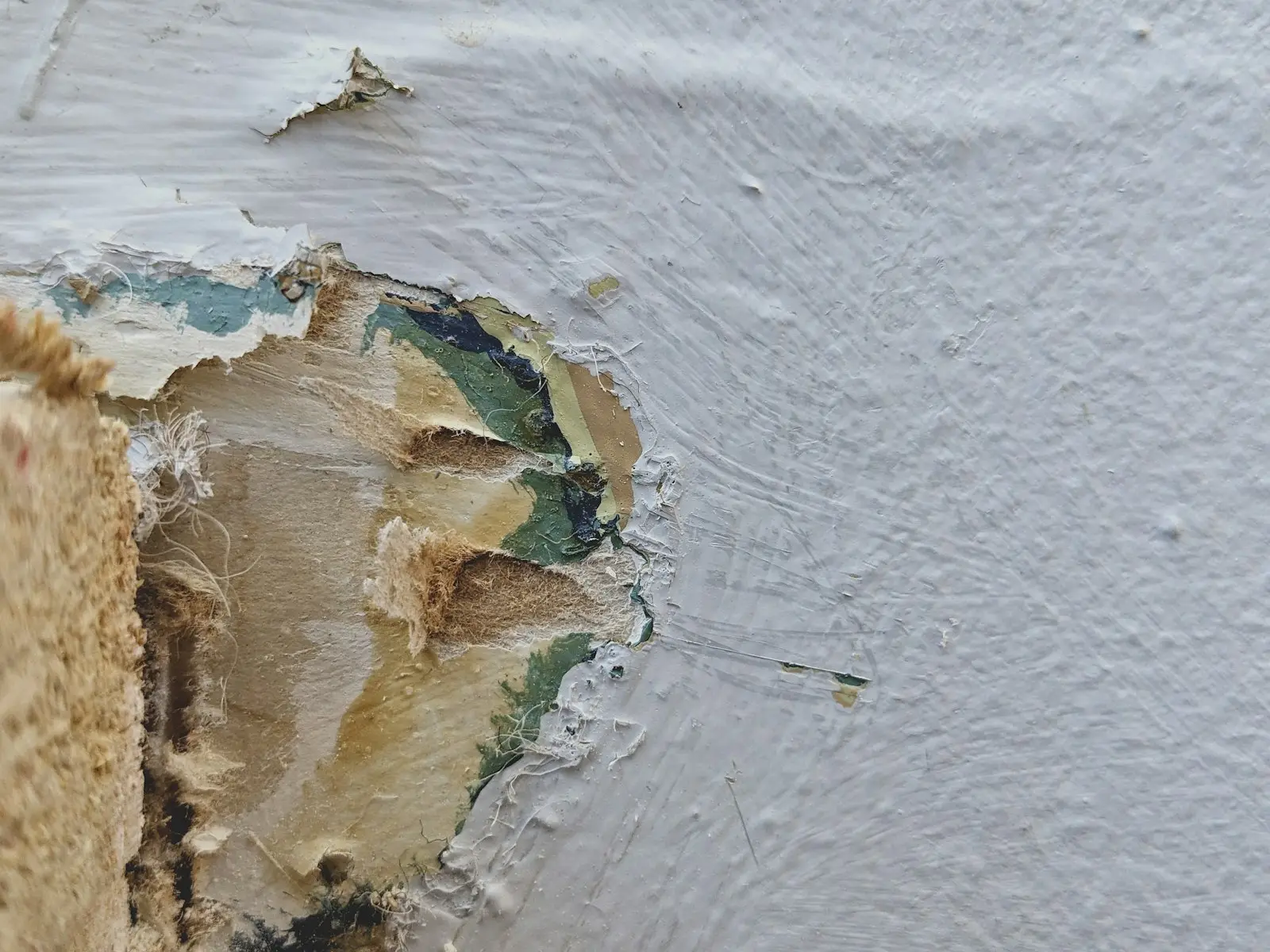
Water that pools above a ceiling or inside a wall stays hidden until the drywall gives it away. A brown ring that keeps growing, paint that bubbles or a section of ceiling that sags means a leak has been running for a while, often from a bathroom or laundry line on the floor above.
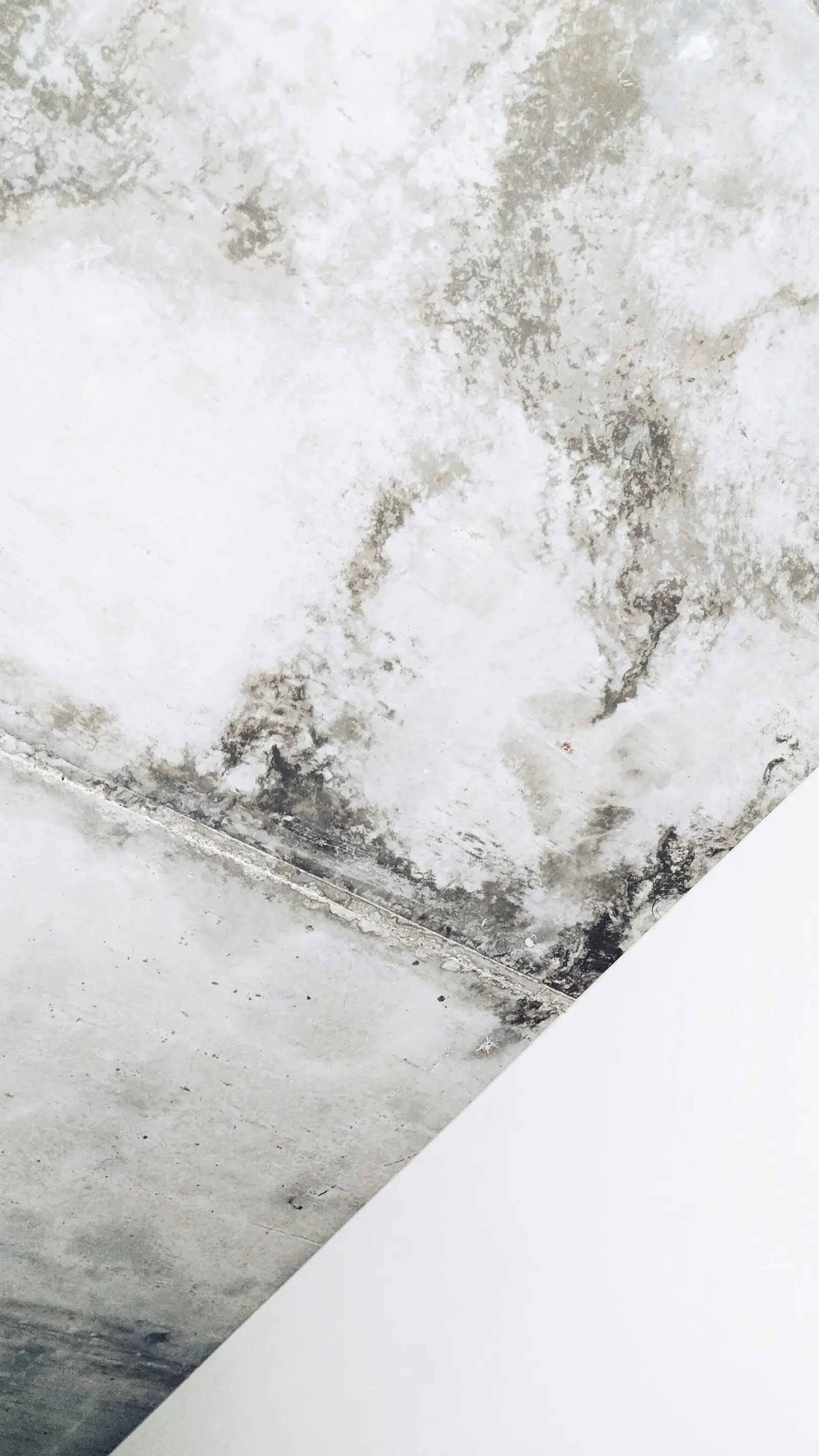
Damp drywall and insulation are where mold gets started, and a sagging ceiling can let go without warning.
What to do now: keep people out from under any sagging section, turn off water to the bathroom or appliance above if you can find the valve, and call. Our plumbing leak detection service finds the source before anything is opened up.
5. No water at all, or very little everywhere
If one faucet loses pressure, the problem is usually that faucet. If every faucet in the house drops to a trickle at once, the problem is upstream: a break in the main water line between the meter and the house, a failed pressure regulator or, in a cold snap, a frozen pipe.
What to do now: check whether neighbors have water. If they do, the problem is on your side of the meter. Look for a wet or sunken patch in the yard along the line from the street. A main line break is wasting water and soaking soil around your foundation the whole time it runs.
6. A water heater that leaks or makes the relief valve discharge
A puddle under the tank, rusty water from hot taps or hot water spraying from the pipe on the side of the heater are all reasons to act quickly. That side pipe is connected to the temperature and pressure relief valve, a safety device that opens when the tank gets too hot or the pressure climbs too high.
What to do now: turn off the power or set a gas heater to off, close the cold water valve on top of the tank and keep clear of hot water. Our article on why a water heater stops working explains the common causes.
7. Every drain in the house is slow at once
One slow sink is a local clog. Slow drains everywhere, toilets that gurgle when the washer empties or water that appears in the tub when you flush mean the main line is partly blocked. This is the warning before a full backup.
What to do now: cut back on water use, skip laundry and long showers and call for emergency drain cleaning before the line closes completely.
Signs that can usually wait a day
These rarely need a night visit:
- A faucet that drips steadily into the sink
- A toilet that runs on and off between flushes
- One slow sink or tub while every other drain works
- Low pressure at a single fixture, often a clogged aerator
The EPA WaterSense program reports that household leaks waste more than 9,300 gallons a year, so fix them soon, just not tonight.
Why waiting costs more
Water damage is not linear. A leak caught in the first hour usually means one repair and a few wet towels. The same leak left overnight can soak a subfloor, wick up inside the walls and reach the room below. Drying out, drywall and mold are separate jobs that grow with every hour the water runs.
Know your shutoffs before you need them
Take five minutes this week to find:
- The main water shutoff, and check that it turns
- The small valves under each sink and behind each toilet
- The cold water valve on top of the water heater
- The gas shutoff next to the water heater and furnace
If something on this list is happening in your home right now, stop reading and call us. A real person answers 24 hours a day and will talk you through the next few minutes while a plumber heads your way.