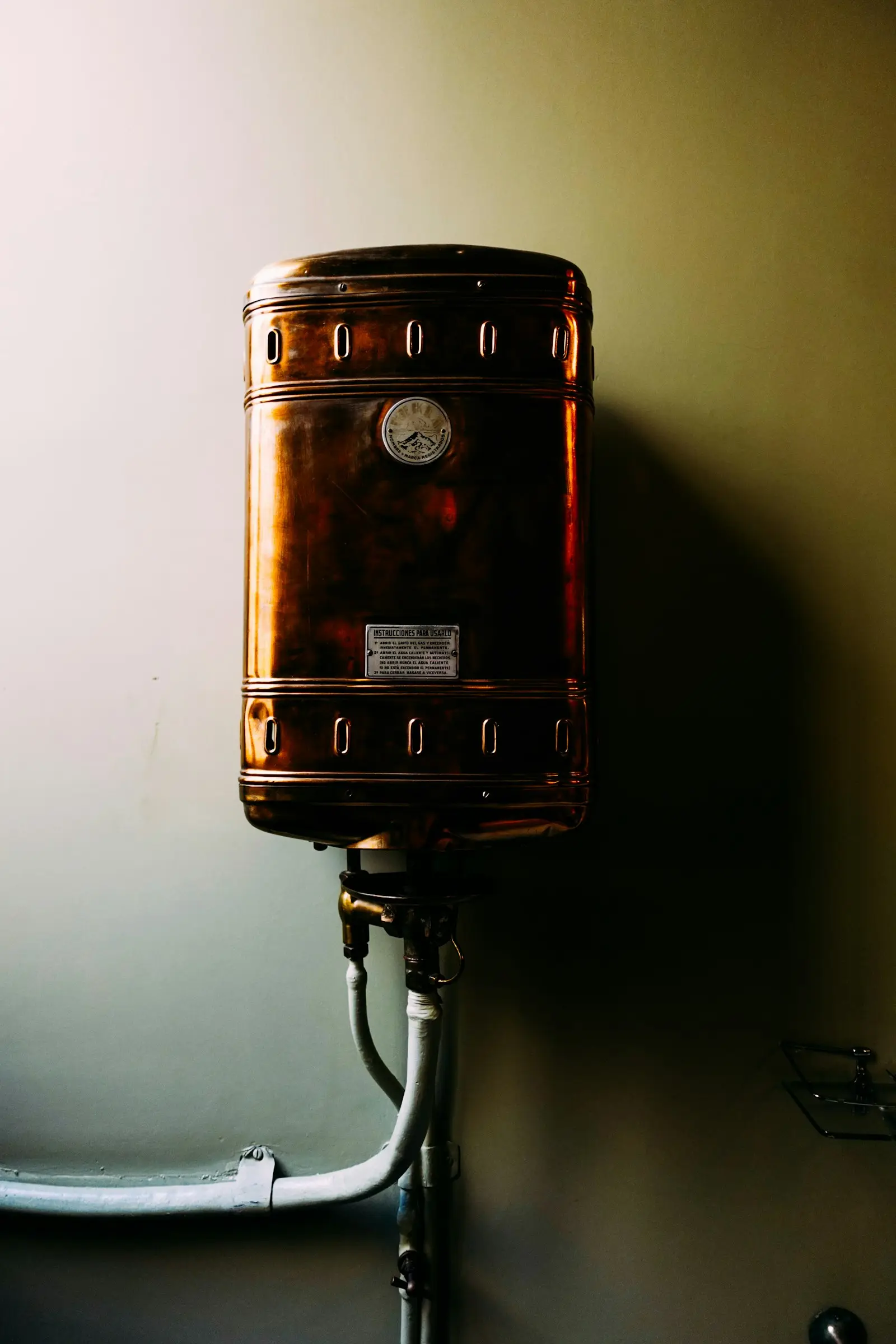
Most Beaverton homes rely on a tank water heater, gas or electric, tucked into a garage, a closet or a basement. When it works, nobody thinks about it. When it stops, everyone in the house notices within minutes. The good news is that the problem is often a single part. The less good news is that some symptoms mean the tank is near the end of its life. Here is how to tell the difference.
Safety first
- If you smell gas near the heater, do not touch any controls or switches. Leave the house and call NW Natural or 911 from outside, as NW Natural's gas safety guidance advises.
- If the tank is leaking, turn off the power or gas and close the cold water valve on top of the tank.
- Water in the tank and the relief pipe can be hot enough to scald. Keep hands and feet clear.
Problem 1: No hot water at all
Gas water heaters
On a gas heater, no hot water usually means the burner is not lighting. Common reasons include:
- The pilot is out. Many older heaters have a standing pilot. Follow the lighting instructions on the label on the tank, and if it will not stay lit, stop.
- A failed thermocouple or flame sensor. This small safety part shuts off gas if it does not sense a flame. When it wears out, the pilot lights and then goes out again.
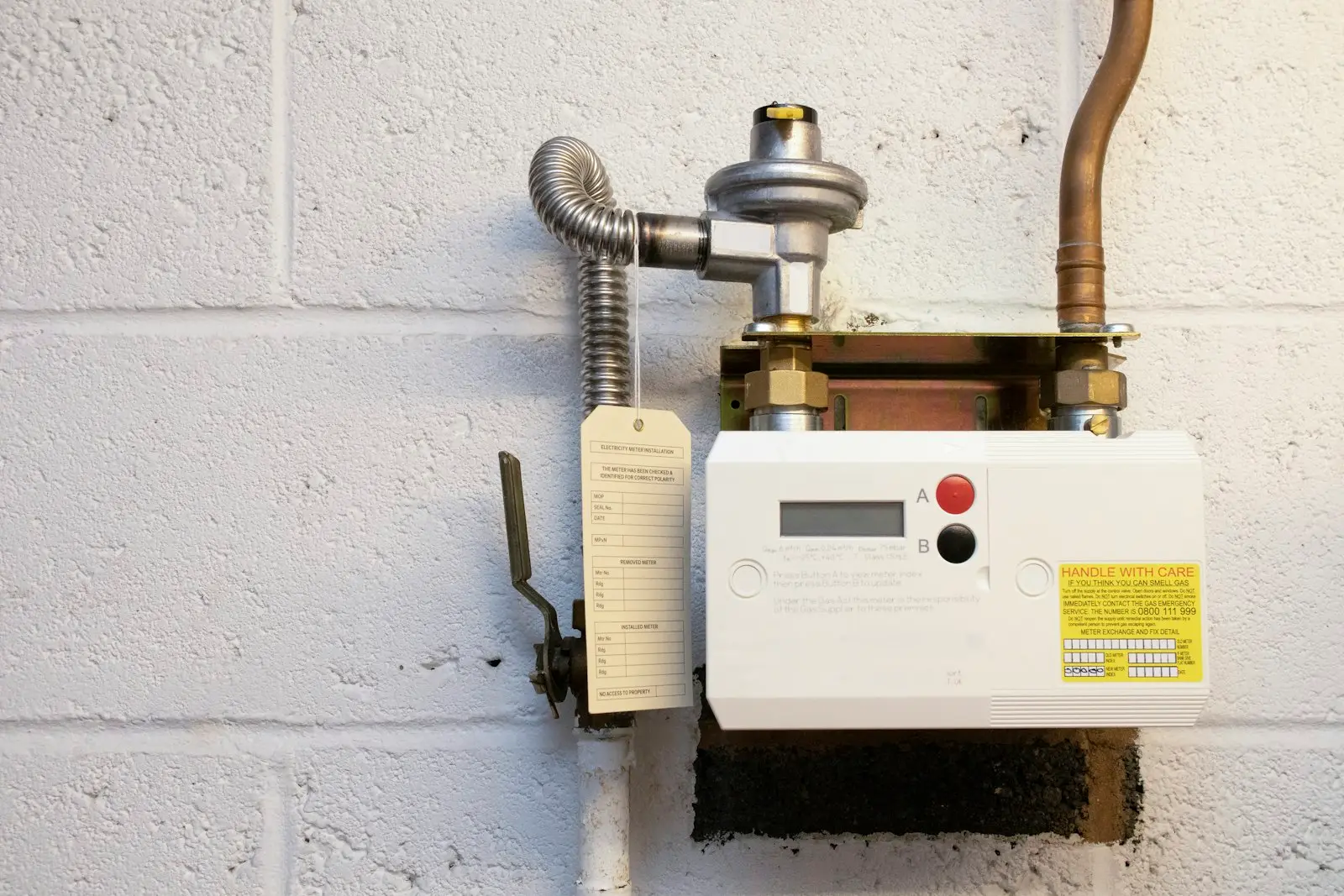
- A gas supply problem. If other gas appliances are also off, the issue may be the supply rather than the heater.
Electric water heaters
On an electric heater, start with the breaker. If it has tripped, reset it once. If it trips again, leave it off and call, because something is drawing too much current. Electric heaters also have a high-limit reset button behind an access panel, and a failed heating element or thermostat is a common repair.
Problem 2: Not enough hot water
If the water starts hot but runs cold quickly, the usual suspects are:
- Sediment. Minerals settle at the bottom of the tank over the years, take up space and insulate the water from a gas burner.
- A failed element. Most electric heaters have two. When the lower one fails, you get a short burst of hot water and then lukewarm.
- A broken dip tube. This tube sends incoming cold water to the bottom of the tank. If it breaks, cold water mixes with the hot at the top.
- A thermostat set too low, or a household that has outgrown its tank.
Problem 3: Rusty or smelly hot water
Brown or rusty water only from hot taps suggests rust inside the tank or a worn-out anode rod, the part that corrodes on purpose to protect the tank. A rotten egg smell from hot water only is often a reaction between the anode rod and the water. Both are worth having checked, because rust inside the tank is often the step before a leak.
Problem 4: Strange noises
Popping, rumbling or crackling as the heater runs is usually sediment at the bottom of the tank. Water trapped under the layer boils and pops. It is not an emergency by itself, but it means the tank is working harder than it should and the bottom of the tank is under stress.
Problem 5: Leaking
A leak is the symptom that most often turns into an emergency. Check where the water is coming from:
- The relief valve or its discharge pipe. The temperature and pressure relief valve opens if the tank gets too hot or the pressure too high. A discharging valve needs attention, both for the valve and for whatever made it open.
- The drain valve near the bottom. Often just not fully closed, or a worn washer.
- Fittings on top of the tank. Water can run down the outside and pool at the base.
- The tank itself. If water seeps from under the outer jacket, the inner tank has corroded through and cannot be repaired.
Repair or replace?
Thermocouples, elements, thermostats, valves and anode rods can all be replaced, and a heater with a sound tank can keep working for years after one of those repairs. A leaking tank cannot be fixed. Our emergency water heater repair service starts by finding the exact cause, then gives you a straight answer on whether a repair is worth it. If water is turning up elsewhere in the house too, our plumbing leak detection service can track it down.
Where your heater sits matters
In a garage on a concrete floor, a slow leak usually does limited damage. In an interior closet or on an upper floor, the same leak reaches flooring, walls and the ceiling below much faster. Many homes from the 1980s and 1990s in south Beaverton, such as around Murrayhill, and older homes in Aloha with heaters in utility closets, are worth an extra look for that reason.
Simple habits that help
- Glance at the base of the heater once a month for moisture or rust.
- Know where the cold water valve and the gas shutoff are, and make sure they turn.
- Use a drain pan under heaters in closets and upper floors.
- Listen for new noises and watch for rusty hot water.
- Keep the area around a gas heater clear so it gets the air it needs.
If your water heater is leaking or you have no hot water, call us. We answer 24 hours a day and come out the same day across Beaverton and the west side.