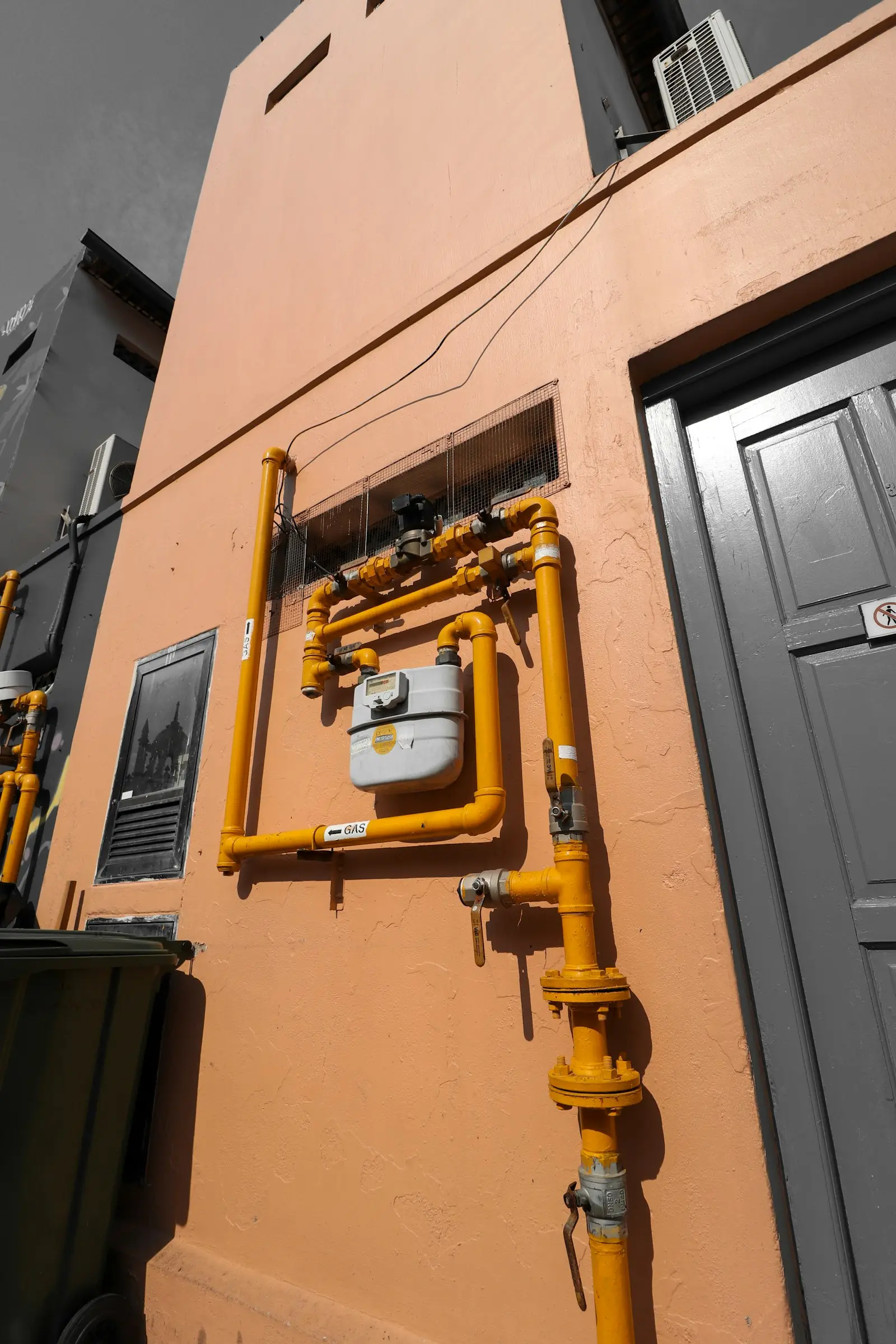
Natural gas runs to the water heater, furnace, range, dryer or fireplace in many Beaverton homes. Most of the time it is invisible and odorless in the background. When a fitting loosens, a connector cracks or a buried line is damaged, knowing the signs and the right order of steps matters more than with any other plumbing problem.
If you smell gas right now
- Leave the house with everyone in it, including pets.
- Do not create a spark. Do not flip light switches, use phones, start a car in an attached garage or light anything while inside.
- Do not try to find the leak or turn valves yourself.
- Call from outside, at a safe distance. NW Natural, which supplies gas across the Beaverton area, asks customers to call its emergency line or 911. Their guidance on what to do when you smell gas is worth reading before you ever need it.
Once the utility or the fire department has made the area safe, the damaged line still needs to be repaired before appliances go back on. That is when you call us for gas line repair.
The common signs of a gas leak
A rotten egg or sulfur smell
Natural gas has no smell of its own. Utilities add an odorant so that leaks can be noticed. A smell of rotten eggs or sulfur near an appliance, the meter or anywhere in the house should always be treated as a leak until proven otherwise.
Hissing or whistling
Gas escaping under pressure can make a hiss near an appliance connection, a valve or the meter. If you hear it together with a smell, leave.
Dead grass or bubbles outside
A strip of dead or dying grass over the route of a buried gas line, or bubbles rising through a puddle in the yard, can point to an underground leak.
Flames that look wrong
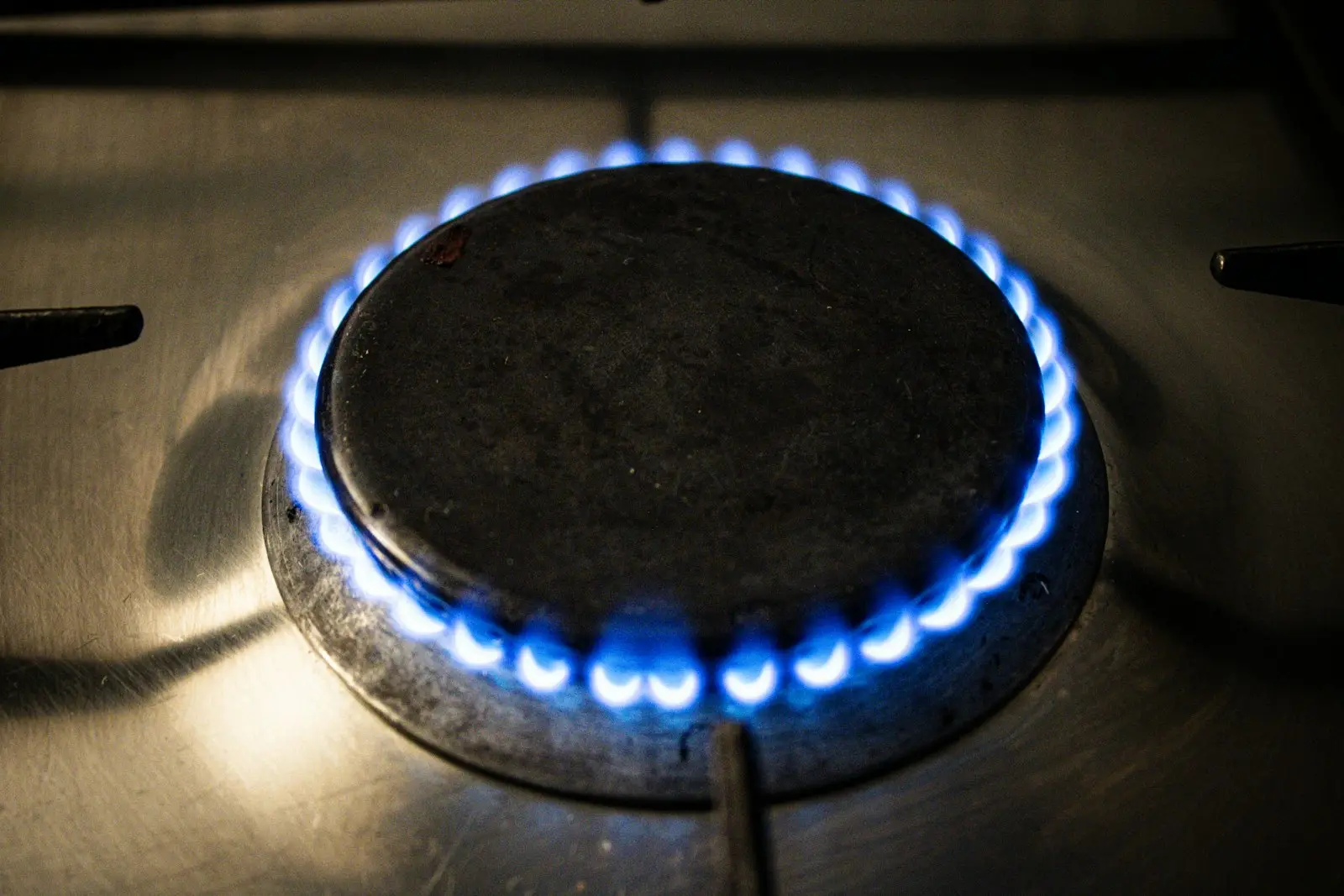
A healthy burner flame on a range is mostly blue. Flames that are lazy, yellow or orange, or a pilot light that keeps going out, are not proof of a leak, but they mean an appliance or its supply needs checking.
Feeling unwell indoors
Headaches, dizziness or nausea that ease when you go outside are a warning sign. They can also be signs of carbon monoxide, which is a separate danger: a colorless, odorless gas produced when fuel burns poorly. Every home with gas appliances should have working carbon monoxide alarms.
Where gas leaks start
- Flexible appliance connectors behind ranges and dryers that have been bent, kinked or moved one too many times.
- Threaded fittings on older black iron pipe, especially in crawlspaces and basements.
- Shutoff valves at appliances that have worn out.
- Lines damaged by work, such as a nail through a wall or a shovel in the yard.
- Buried lines to detached garages, shops, grills and fire pits.
Digging in the yard? Know what is under it
Before any digging, Oregon homeowners can call 811 or use Oregon Utility Notification Center online to have utility lines marked. Keep in mind that lines you own beyond your gas meter, such as one running to a detached garage or an outdoor kitchen, are usually not marked by the utility. Knowing where your own lines run is worth the effort.
How a gas line is tested
After a repair, and whenever new piping is installed, a gas line is tested before any appliance is lit:
- Pressure test. The line is closed off, put under pressure and watched on a gauge. A drop in pressure means gas is escaping somewhere.
- Fitting checks. A leak detection solution brushed onto joints and connections bubbles where gas is escaping.
- Gas detectors. Handheld electronic detectors can help locate a leak along a line.
Only once the line holds pressure and every fitting is clear are appliances reconnected and relit.
Who is responsible for which part
NW Natural owns and maintains the gas meter and the service line up to it. Everything on your side of the meter, the piping inside the house and any buried lines on your property, is the homeowner's. That includes the lines to new appliances. If you are planning a gas range, a tankless water heater or an outdoor grill, our gas line installation page explains how new lines are sized and tested.
Simple habits that keep gas lines safe
- Know where the shutoff valve is at each gas appliance.
- Do not move a range or dryer without checking that its connector is not kinked.
- Install carbon monoxide alarms on every level of the home.
- Have older connectors looked at when other work is done on the appliance.
If the area has been made safe and the line needs repair, call us. We answer 24 hours a day.