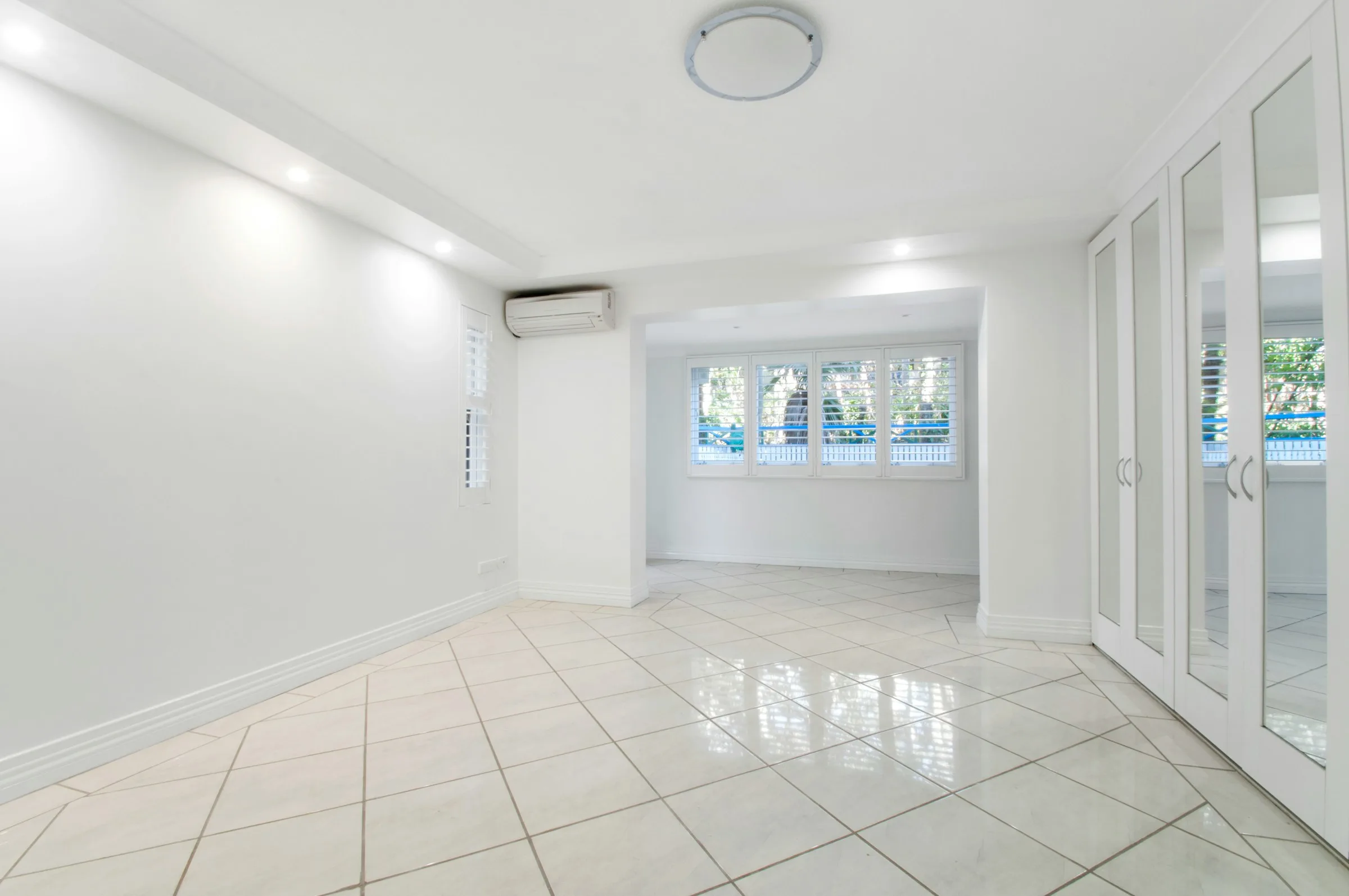

Many homes around Beaverton sit over a crawlspace, where pipes run in the open and a leak drips onto dirt you can at least go and look at. Plenty of others are built on a concrete slab: newer subdivisions, townhomes, ground-floor condos, garages converted to living space and additions. In those, water and sometimes hot water lines run through or under the concrete. When one fails, the water has nowhere obvious to go.
The common signs of a slab leak
A warm or hot spot on the floor
This is the classic sign when a hot water line is leaking. Tile and bare concrete show it best. Walk the floor barefoot and you may find one area, often a strip, that feels noticeably warmer than the rest.
Hissing or running water with everything off
Late at night, with the taps closed and appliances quiet, you may hear a faint hiss or rush near a wall or under the floor.
A water bill that keeps climbing
A leak under the slab runs all day, every day. A bill that rises month after month with no change in how you use water is one of the most reliable signs.
Wet flooring or damage that spreads
Carpet that feels damp, wood flooring that cups or buckles, or grout lines that stay dark after you mop. Over time water can show up at the base of a wall or wick into drywall.
Cracks, mildew or a musty smell
New cracks in the slab or in tile, a musty smell in one room, or mildew along the bottom of a wall all point to moisture coming from below.
The water heater never stops running
If a hot line is leaking, the water heater keeps refilling and reheating. You may hear it firing more often or run out of hot water sooner than usual.
A quick check you can do
Turn off every fixture and appliance that uses water, then look at the meter. If its leak indicator is moving, water is going somewhere. Next, close the cold water inlet valve on top of the water heater and watch the meter again. If it slows or stops, the leak is likely on the hot side. That is useful to tell a plumber, and it fits with a warm spot on the floor.
If the meter is moving and you cannot find a dripping toilet or fixture, the shutoff test in our guide to a water meter running with everything off will tell you whether the leak is inside the house or out in the yard.
Why pipes under a slab fail
- Copper lines in contact with concrete or soil can corrode from the outside over the years.
- Pipes expand and contract as hot water runs through them, and rubbing against concrete or gravel slowly wears a hole.
- A slab can shift slightly as the soil under it settles, putting stress on lines and joints.
- A pipe that was kinked or damaged when the slab was poured may last years before it gives out.
- High water pressure adds strain to every joint in the house, including the ones you cannot see.
How a slab leak is found
Breaking concrete to search for a leak is slow, messy and expensive, so the work starts with finding the exact spot. A plumber isolates the hot and cold sides and pressure tests each one, then uses acoustic listening equipment to hear water escaping through the slab. Thermal imaging can show the path of a hot water leak. The goal is to open the floor once, in the right place. Our slab leak detection and repair page goes into more detail.
Repair options
- Spot repair. Open the slab over the leak, repair the pipe and patch the concrete. This suits a single leak in a line that is otherwise sound.
- Reroute. Abandon the leaking line and run a new one through walls, ceilings or the attic. This avoids breaking up the floor and is often the better choice when the line has started to fail in more than one place.
- Repipe. If the pipes under the slab are old and several leaks have already appeared, replacing the system may cost less over time than repairing leaks one at a time.
Which one makes sense depends on the age of the pipe, where the leak is and what is on top of it. A leak under a kitchen island is a different job from one under a garage floor.
Hot side or cold side: why it matters
Every house has two sets of supply pipes, one carrying cold water from the main and one carrying hot water from the water heater. Finding out which side is leaking is one of the first things a plumber does, because it changes both the symptoms and the repair.
A hot water leak under a slab usually announces itself with warmth: a warm spot or strip on the floor, a water heater that runs far more than it should and higher gas or electric bills as well as a higher water bill. Hot water pipes also expand and contract more, which is one reason hot lines under slabs tend to fail more often.
A cold water leak gives fewer clues. The floor stays cool, so the main signs are a meter that never stops, a rising water bill, damp flooring or a musty smell. These can run longer before anyone notices.
The test at home is simple. With everything off and the meter's leak indicator moving, close the cold water inlet valve on top of the water heater. If the indicator slows or stops, the leak is probably on the hot side.
What a slab leak does if it is left
A small leak under a concrete floor can run for months. Over that time it can:
- Wash away the soil and gravel the slab rests on
- Let the slab crack or settle in one area
- Soak up into carpet, pad and wood flooring
- Feed mold under flooring and in the bottom of walls
- Damage cabinets and baseboards along the leak path
- Add a large amount to water and energy bills
Most of that damage costs more to put right than the plumbing repair itself. That is why it pays to act on the early signs, especially a meter that moves with everything off.
Spot repair or reroute: the trade-off
Once the leak is found, the choice usually comes down to opening the floor or going around it.
Spot repair through the slab
The plumber cuts a small opening in the concrete over the leak, digs down to the pipe, repairs it and patches the concrete. It is direct, and when the leak is precisely located the opening can be quite small. The downside is the disruption: flooring over that spot has to come up, there is dust and noise, and the patched area may need new flooring. It also leaves the rest of the old pipe in place, which matters if the pipe is aging and could leak elsewhere.
Rerouting the line
Instead of repairing the pipe under the floor, the plumber abandons that section and runs a new line through walls, ceilings or the attic to reach the same fixtures. Rerouting avoids breaking the slab and replaces the old, aging pipe with new, usually PEX. It often makes sense when the leak is under tile, hardwood or cabinets, when the pipe has already leaked more than once, or when the leak is hard to reach. The trade-off is some drywall work where the new line runs.
A plumber can usually tell you which option fits once the leak is found. Ask about the age and condition of the rest of the pipe as well as the leak itself.
What to expect during a slab leak repair
- Leak detection. The plumber isolates the hot and cold lines, pressure tests them and uses listening equipment and thermal imaging to locate the leak.
- A recommendation. You hear the options, spot repair, reroute or repipe, and what each involves.
- Preparing the area. Furniture is moved and flooring is protected or lifted where the work will happen.
- The repair. For a spot repair, the slab is opened, the pipe is fixed and the line is pressure tested before the hole is filled. For a reroute, the new line is run and connected, and the old one is capped off.
- Restoration. Concrete patches need time to cure before new flooring goes down. Drywall openings from a reroute need patching and paint. Flooring and finish work is often done by a separate contractor.
Ask the plumber who handles each part, so you know what will be finished when they leave and what will need another trade.
Which homes have pipes under the slab
Around Beaverton, the plumbing layout depends a lot on when and how a home was built. Many older houses sit over a vented crawlspace, with supply lines running through the crawlspace where they can be reached. Slab foundations are more common in some newer subdivisions, in townhomes and row houses, in ground-floor condos and in single-story homes on flat lots.
Even a house with a crawlspace can have a slab section. Garages converted to living space, family-room additions and sunrooms are often built on concrete, and the lines feeding a bathroom or wet bar in that area may run under it. If you are not sure, look for where the main line enters and follow the pipes you can see. A plumber can usually tell you quickly during any visit, and it is useful to know before a leak ever appears.
Condos, townhomes and rentals
In a condo or townhome, a slab leak can affect neighbors and may involve shared lines. Tell building management or the HOA as soon as you suspect one, since the repair may need their approval and some pipes may be their responsibility. Renters should report warm floors, damp carpet or a hissing sound to the landlord right away, in writing, and note the date.
Slab leaks and insurance
Many homeowner policies cover the cost of accessing a slab leak and repairing the damage the water caused, but not the cost of replacing the pipe itself. Some exclude slab leaks or long-term seepage altogether. Check your policy, take photos of any damage before work starts and keep the plumber's report showing where the leak was and what caused it.
Lowering the risk of a slab leak
- Check your water pressure. High pressure strains every pipe in the house, including the ones you cannot see. A pressure reducing valve that has failed should be replaced.
- Keep the water heater at a sensible temperature. Very hot water adds stress to hot lines under the slab.
- Watch the meter and the bill. A quick meter check every few months catches a leak early.
- Act on warm spots and damp flooring. These are the earliest signs you can feel or see.
- Consider rerouting aging lines during a remodel, while walls and floors are open anyway.
If the meter test points outside the house rather than under the floor, see our guide to a water line leak between the meter and the house. For leaks you can see, our guide to what causes sudden water leaks covers the usual suspects.
Common questions
How do I know if my house has plumbing under the slab?
If your home, or part of it, has no crawlspace or basement and the floor is concrete, the pipes to that area may run under or through the slab. Converted garages and additions are common examples. A plumber can tell you how your lines are routed.
Can a slab leak be fixed without breaking the floor?
Often, yes, by rerouting the line through walls or the attic. Whether that makes sense depends on where the leak is and how the plumbing is laid out.
How long does a slab leak repair take?
A spot repair is often finished in a day, with extra time for the concrete patch to cure. A reroute can take a day or more depending on how far the new line has to run.
Is a warm floor always a slab leak?
No. Radiant floor heating, a heating duct under the floor or a sunny spot can all warm a floor. A warm spot combined with a moving meter or a water heater that never stops is the combination to take seriously.
Will a slab leak come back after it is repaired?
The repaired spot itself should not leak again. The rest of the pipe is the same age as the section that failed, though, so a second leak elsewhere is possible on older lines. That is one reason rerouting or repiping is worth considering when a house has already had one slab leak.
Can I keep using water while I wait for the repair?
For a small leak, usually yes, though it will keep adding to your bill. If the leak is on the hot side, closing the cold inlet on the water heater stops it until the repair, at the cost of hot water. If water is spreading across the floor, close the main.
Is a slab leak an emergency?
Water spreading across the floor, a hot spot that is getting bigger or flooring that is lifting needs attention the same day. Closing the main shutoff stops the damage while you wait. A small leak caught early through the meter or the bill can usually be scheduled, but do not leave it for months. Water under a slab can wash out the soil the slab rests on, and the longer it runs, the bigger the repair.
If you have a warm spot on the floor or a meter that will not stop, call us. We answer around the clock and can usually get a plumber out the same day.