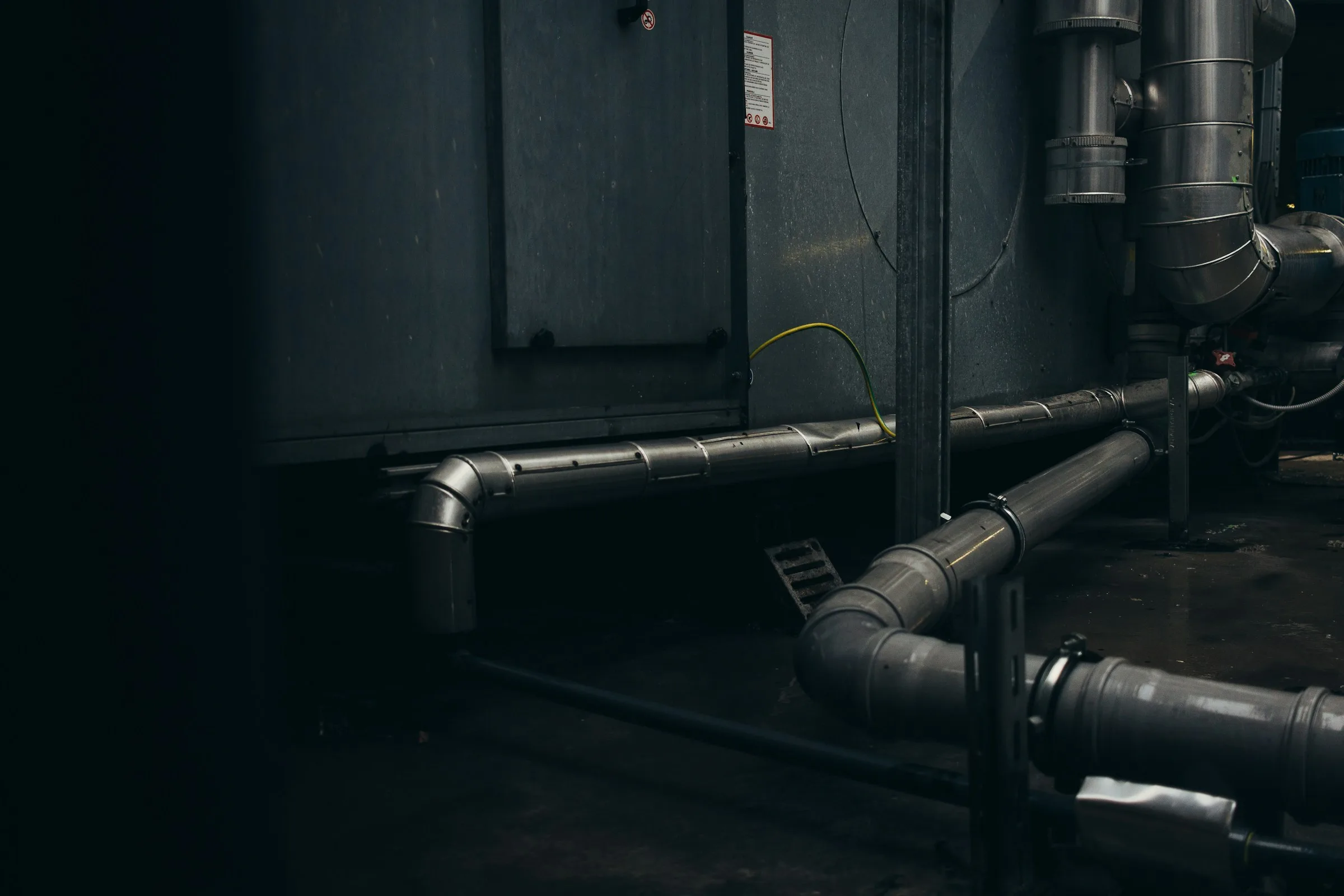
Pipes in a crawlspace run through the coldest part of the house. Vents let in outside air, insulation falls down over the years and nobody goes under there to notice a problem. When a pipe bursts below the floor, you might hear water rushing, see the pressure drop or find water seeping out of the crawlspace vents.
First: stop the water
Close the main shutoff valve. In homes with a crawlspace it is often near the access hatch or on the front foundation wall, though it may also be in the garage or near the water heater. If that valve is missing or seized, shut the water off at the meter box out by the street instead, using a meter key or a large wrench.
Then turn off the water heater (pilot or off for gas, breaker off for electric) and open a faucet on the lowest floor to drain the lines. Our guide on what to do when a pipe bursts covers these first minutes step by step.
Before you go under the house
A crawlspace with standing water is not a safe place to crawl around in a hurry. Check for these first:
- Electrical wiring, junction boxes or extension cords in or near the water
- A furnace or ductwork that may be sitting in water
- Sewage, if a drain line broke as well
- Loose insulation that has soaked through and fallen
If any of those are present, or you are not comfortable in tight spaces, leave the water off and call a plumber.
Temporary fixes that buy time
With the water off and the area safe, a temporary patch can get you through until a proper repair. These hold best on small splits and pinholes:
- Pipe repair clamp. A metal sleeve with a rubber gasket that bolts around the pipe over the split. Sized to the pipe, it holds well for days or weeks.
- Push-to-connect coupling. On copper, PEX or CPVC, you can cut out the split section and push in a coupling. These are sold for repairs and are reasonably reliable, but the pipe must be cut square and clean.
- Repair tape or epoxy putty. Useful for a pinhole on a low-pressure line, but they rarely hold under full pressure for long.
Turn the water back on slowly and watch the patch for several minutes. Check again after a few hours. A temporary fix is a way to get water back to the house, and it should be replaced.
The permanent repair
A plumber will cut out the damaged section with some extra length on each side, since a pipe that split in a freeze is often weakened further along. The new section is joined with soldered fittings on copper, crimp or expansion fittings on PEX, or solvent-welded fittings on CPVC. The line is then pressure tested before it is closed up.
While under the house, a good plumber will look along the rest of the run for other splits, bulges, corrosion or failing fittings. If the pipe is old galvanized steel or has leaked in several places, replacing that run, or the whole system, may make more sense than patching. Our burst pipe repair page explains the options.
Dry out the crawlspace
Water left under the house leads to mold, rot and smells that come up through the floor. After the repair:
- Pump out any standing water.
- Remove soaked insulation that has fallen or is sagging.
- Check that the vapor barrier on the ground is intact.
- Run fans or a dehumidifier until the space is dry.
For a large flood under the house, a water damage restoration company has the drying equipment to do this properly.
Why crawlspace pipes freeze
- Foundation vents left open in winter let cold air blow across the pipes.
- Pipe insulation is missing, has fallen off or was never installed.
- The pipe runs close to the rim joist or an outside wall.
- The access hatch does not close tightly.
- Outdoor spigots are fed by pipe that runs through the coldest corner.
How to tell the burst is under the house
A pipe that bursts under the floor does not always announce itself with water in a room. More often the clues are indirect:
- The sound of rushing or hissing water under the floor
- A sudden drop in water pressure at every tap
- Water running out of the foundation vents
- A water meter that spins fast with everything off
- A damp, musty smell coming up through floor registers
- Floors that feel cold and damp, or start to cup
After a freeze, the burst often shows up when temperatures rise. If you have had a few days below freezing, check the meter and listen under the floor on the first warm morning, even if the house seems fine.
Getting into the crawlspace safely
If you decide to look under the house once the water is off, go prepared. Crawlspaces in this area are often damp and tight, and some are home to spiders and the occasional rodent.
- Wear old clothes, gloves, knee pads and eye protection, and bring a bright flashlight.
- Tell someone in the house that you are going under, and keep your phone with you.
- Look before you crawl. If there is standing water near wiring, a junction box or the furnace, do not go in.
- Watch for nails, sharp edges on ductwork and low beams.
- Do not lie in standing water, and do not go in at all if the water might contain sewage.
If the access hatch is in a closet or floor, keep it open while you are under there so air can move and you have a clear way out.
What you are likely to find down there
Most crawlspaces have a mix of pipes running between the joists or along the foundation:
- Copper in many homes built from the 1950s to the 1990s, often split along its length when it freezes.
- Galvanized steel in older homes, which tends to fail at threaded joints and from internal rust.
- PEX, the flexible red, blue or white tubing used in newer homes and repairs. It resists freezing better, but the fittings can still crack.
- CPVC, rigid cream-colored plastic pipe, which can become brittle with age and crack in the cold.
- Drain pipes, larger black, white or cast iron pipes that carry wastewater out of the house.
Knowing which you have helps the plumber bring the right fittings, and it helps you decide whether a temporary fix is realistic.
Supply pipe or drain pipe?
A burst supply pipe sprays or pours water under pressure and keeps going until the water is shut off. A broken drain pipe only leaks when water is used upstairs, and the water is dirty. The difference matters:
- For a supply leak, closing the main stops it.
- For a drain leak, closing the main does not fix anything, but it stops people sending more water down the drain. Avoid using sinks, showers, toilets and appliances until the pipe is repaired.
- A drain leak under the house means wastewater on the crawlspace floor, which needs cleaning and disinfecting as well as drying.
The vapor barrier and insulation after a leak
Most crawlspaces have a plastic vapor barrier on the ground and insulation between the floor joists. Both suffer when a pipe bursts:
- Water trapped on top of the vapor barrier will not soak away. It needs to be pumped or vacuumed off, and the plastic lifted to dry anything trapped underneath.
- Fiberglass insulation that soaks through sags and falls, loses its insulating value and can hold moisture against the subfloor. It should be removed and replaced once the area is dry.
- Torn or displaced vapor barrier should be repaired or replaced so ground moisture stays out of the space.
Once the space is dry and the barrier and insulation are back in place, the floors above will feel warmer and the crawlspace will stay drier.
Mold and smells after a crawlspace flood
A crawlspace that stays wet for more than a day or two can start to grow mold on the joists, the subfloor and anything stored down there. A musty smell coming up through floor registers or around the edges of the floor is a common sign. Drying the space quickly with fans and a dehumidifier, and removing wet insulation, is the best prevention. If mold has already taken hold over a large area, a mold remediation company can treat it properly.
What the plumber does under the house
When a plumber arrives for a burst pipe in the crawlspace, the visit usually follows the same pattern. First they confirm the water is off and check for electrical hazards before going under. Then they find the break, which is often obvious once they are in the space, and look along the rest of the run for other splits, bulges or weak fittings. After a freeze, there is often more than one.
The damaged section is cut out and replaced, the repair is supported properly so it does not sag or rub, and the water is turned back on slowly while the plumber watches every joint. Before leaving, a good plumber will point out pipes that sit too close to vents or have no insulation, and anything else that looks likely to cause trouble next winter. Fixing those while the plumber is already under the house is usually quicker and cheaper than a separate visit later, and it may save you from a second burst in the next cold snap.
Rentals and vacant homes
Burst pipes under rental houses and empty homes are often the most expensive, because nobody is there to hear the water running. Show tenants where the main shutoff is, and give them a number that works after hours. For a vacant home in winter, keep the heat on, have someone check it during cold snaps, or shut off and drain the water if it will sit empty for a long time.
Burst pipes and insurance
Many homeowner policies cover sudden water damage from a burst pipe, including the cost to dry and repair damaged floors and walls, but not the cost of replacing the pipe itself. Some exclude freeze damage in homes left without heat. Take photos under the house and in any affected rooms before cleanup, keep the plumber's invoice and call your insurer early.
When to repipe instead of repair
A single split from a freeze is a simple repair. But if the pipes under your house have frozen and split more than once, are old galvanized steel or show corrosion and old repairs along their length, it may be time to think about replacing them. Repiping the crawlspace runs with PEX, properly supported and insulated, removes most of the weak points at once. A plumber can look at the whole system while they are under the house and tell you honestly whether repairs still make sense.
Common questions
How long does a crawlspace pipe repair take?
A single split in an accessible spot is usually repaired within an hour or two once the plumber is there. Several breaks, tight access or old pipe that needs more replacing takes longer.
Can I turn the water back on after a temporary fix?
Yes, slowly, and watch the patch for several minutes. Check it again after an hour and before bed. Treat any patch as temporary and have the pipe repaired properly.
Why did the pipe burst in a spot that never seemed cold?
Ice forms where the pipe is coldest, often near a vent, but the pressure builds between the ice and a closed faucet. The pipe splits at its weakest point in that section, which may be some distance from the ice.
Should I keep my foundation vents open or closed?
Close or cover them during hard freezes, and open them again when the weather warms up so the crawlspace can dry out.
Will a burst pipe under the house damage the foundation?
A short leak that is caught quickly rarely causes foundation problems. A leak left running for days can soften the soil around footings and leave water standing against the foundation, so it is worth acting quickly and drying the space.
Can I use the house while the pipe is being repaired?
Yes, though you will be without water for a while. If the break is on a branch with its own valve, the plumber may be able to isolate it and turn the rest of the house back on before the repair is finished. Ask when they arrive, since it can make a long repair much easier to live with, especially with children in the house.
What if water is coming out of the foundation vents?
That means a lot of water is under the house. Close the main valve right away, keep away from any wiring near the vents and call. The crawlspace will need to be pumped out and dried once the pipe is repaired.
Do I need a plumber if I can see the split?
For a permanent repair, yes, unless you are experienced with the pipe type and have the right tools. A poorly made joint under the house can leak slowly for weeks before anyone notices.
Stopping it next winter
Insulate exposed pipes with foam sleeves, close or cover crawlspace vents during hard freezes, seal gaps around the access hatch and disconnect hoses from outdoor spigots. On the coldest nights, let a faucet on an outside wall drip. The January 2024 ice storm showed how fast pipes in this area can freeze when temperatures stay low for several days. Our guide on how to prevent frozen pipes has the full list.
If a pipe has burst under the house, close the main and call us. We answer 24 hours a day and come out the same day.